


Dlaczego strona, która sprzedaje wykracza daleko poza estetykę?
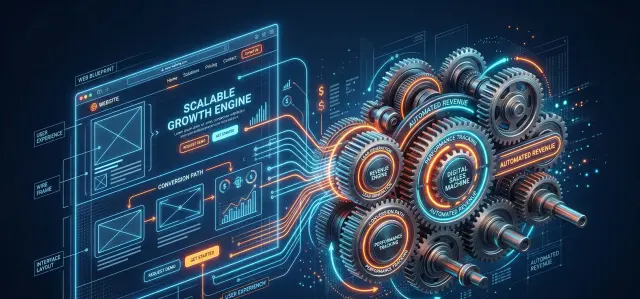
Strona internetowa, która przynosi zysk, nie jest dziełem sztuki. To przemyślany system, w którym każdy element ma jedno zadanie: popchnąć użytkownika o krok bliżej do zostania Twoim klientem. Obsesja na punkcie samego wyglądu to najczęstszy powód porażki. Widziałem dziesiątki przepięknych, nagradzanych stron, które generowały zerową sprzedaż, oraz proste, niemal surowe witryny, które były prawdziwymi fabrykami leadów. Różnica tkwi w zrozumieniu psychologii i priorytetów – funkcja zawsze musi stać ponad formą.
Realny przykład to strona lokalnej firmy usługowej.
- Wersja A: piękna, z animacjami, wideo w tle i ukrytym menu. Efekt? Użytkownik jest zdezorientowany i nie wie, co ma zrobić.
- Wersja B: prosta, z numerem telefonu widocznym na górze, wyraźnym przyciskiem "Zamów bezpłatną wycenę" i listą korzyści.
Efekt? Telefon dzwoni. Projektując, opieramy się na sprawdzonych zasadach psychologii konwersji, takich jak Prawo Hicka (im więcej opcji, tym trudniej podjąć decyzję) czy efekt dowodu społecznego (opinie klientów budują zaufanie). To nie magia, to nauka o ludzkich zachowaniach w sieci.
Oczywiście, estetyka ma znaczenie dla budowania wizerunku marki premium, ale jest narzędziem, a nie celem. Design musi wspierać konwersję, a nie z nią konkurować. Dobry projekt prowadzi wzrok użytkownika prosto do najważniejszych elementów – formularza, numeru telefonu, przycisku zakupu. Zły projekt rozprasza i tworzy chaos. Alternatywą dla tego podejścia jest wydawanie pieniędzy na cyfrową rzeźbę, która zbiera kurz, zamiast inwestować w narzędzie, które aktywnie pracuje na Twój sukces. Prawdziwą miarą jakości strony nie są nagrody branżowe, ale wysokość przychodów w Twoim arkuszu Excel.
Jak świadomie projektujemy ścieżki klienta zamiast tworzyć przypadkowe podstrony?
Typowy proces tworzenia strony w wielu agencjach wygląda tak: "Potrzebujemy podstron: O nas, Oferta, Kontakt". To myślenie kategoriami folderu z ulotkami, a nie dynamicznego narzędzia sprzedaży. My nie tworzymy zbioru luźno powiązanych podstron. Projektujemy całościowe ścieżki klienta (customer journey), czyli precyzyjnie zaplanowane trasy, które prowadzą użytkownika od punktu wejścia na stronę (np. z reklamy Google) aż do punktu konwersji.
Budując strony internetowe w Żywcu, zawsze zaczynamy od pytań: "Kim jest Twój klient? Czego szuka? Jakie ma obiekcje? Jakie informacje musimy mu dostarczyć, aby podjął decyzję?". To pozwala nam stworzyć logiczną sekwencję kroków. Doskonałym przykładem jest nasza realizacja dla Kowalczyk Aluminium. Wiedzieliśmy, że ich kluczowym odbiorcą jest architekt, który potrzebuje konkretnych danych technicznych. Dlatego ścieżka nie prowadzi go do generycznej strony "O firmie", ale z artykułu eksperckiego trafia prosto do interaktywnego katalogu produktów, gdzie może pobrać pliki i złożyć zapytanie o próbki. To proces, a nie przypadkowe klikanie.
Stosujemy do tego narzędzia takie jak mapowanie przepływu użytkowników, testy A/B różnych wersji nagłówków czy analiza map cieplnych, by zobaczyć, gdzie użytkownicy się gubią. Ktoś mógłby powiedzieć, że to nadmierna analityka. Ja twierdzę, że to eliminacja zgadywania i szanowanie budżetu klienta. Zamiast liczyć na szczęście, opieramy się na danych, które pokazują, co faktycznie działa. Alternatywą jest chaotyczna strona, na której użytkownik krąży bez celu, aż w końcu się poddaje i wychodzi. Naszym celem jest zbudowanie cyfrowego sprzedawcy, który zna odpowiedzi na pytania klienta, zanim ten zdąży je zadać, i prowadzi go za rękę do finalizacji transakcji.
Dlaczego musisz przestać mierzyć ruch na stronie a zacząć liczyć zwrot z inwestycji?
Wielu przedsiębiorców wpada w pułapkę metryk próżności. Chwalą się tysiącami odwiedzin na stronie, zapominając, że ruch sam w sobie nie płaci rachunków. Możesz mieć 100 000 odwiedzających i zero sprzedaży, co czyni Twoją stronę bezwartościową z biznesowego punktu widzenia. Kluczowa jest zmiana myślenia: od obsesji na punkcie ruchu do koncentracji na jedynym wskaźniku, który ma znaczenie – zwrocie z inwestycji (ROI).
Wyobraź sobie dwa scenariusze. Strona A generuje 10 000 odwiedzin miesięcznie, ale konwertuje tylko 10 z nich na zapytania, co daje 5 klientów. Strona B ma tylko 1000 odwiedzin, ale od wysoko stargetowanych użytkowników, i generuje 100 zapytań, co przekłada się na 50 klientów. Który biznes wolałbyś prowadzić? Profesjonalne tworzenie stron internetowych koncentruje się na budowaniu scenariusza B. Skupiamy się na jakości ruchu i maksymalizacji konwersji, a nie na pompowaniu pustych statystyk. Analizujemy takie wskaźniki jak Koszt Pozyskania Klienta (CAC) i Wartość Życia Klienta (LTV), aby mieć pewność, że strona jest rentownym aktywem.
Niektórzy argumentują, że duży ruch jest ważny dla świadomości marki. To prawda, ale tylko wtedy, gdy jest to ruch potencjalnie zainteresowanych klientów, a strona potrafi go przekuć w realne działanie. W przeciwnym razie jest to tylko kosztowny szum. Poniższa tabela pokazuje, na czym naprawdę warto się skupić.
| Metryki Próżności (Vanity Metrics) | Kluczowe Wskaźniki Biznesowe (Business KPIs) |
|---|---|
| Liczba odwiedzin | Współczynnik konwersji (ile % odwiedzin zamienia się w zapytania/sprzedaż) |
| Liczba odsłon | Koszt pozyskania leada/klienta (CPL/CPA) |
| Czas spędzony na stronie | Zwrot z inwestycji (ROI) z wydatków na marketing i stronę |
| Polubienia w mediach społecznościowych | Wartość życiowa klienta (LTV) pozyskanego przez stronę |
Ostatecznie, celem jest zbudowanie strony, która nie jest wpisana w firmie po stronie kosztów, ale po stronie aktywów. Jeśli nie jesteś w stanie precyzyjnie policzyć, ile pieniędzy przynosi Ci każdy zainwestowany w nią złoty, to znaczy, że posiadasz cyfrowe obciążenie, a nie narzędzie do rozwoju biznesu.